It is 2013. I am watching NikkieTutorials, Jaclyn Hill and Tati Westbrook convince me that I need a Too Faced chocolate-scented eyeshadow palette. I need a Dr. Jart+ BB cream to go under my smoky eye and heavy, heavy eyeliner. Slug eyebrows are everywhere, and the Smashbox primer that costs more than a family’s weekly shop is apparently essential.
Just over a decade later, in 2026, the youtube drama is still playing out in the beauty headlines, only this time the focus is on the brands themselves. Estée Lauder is reportedly close to selling Too Faced, Smashbox and Dr. Jart+ – three brands that once sat at the centre of beauty’s YouTube era. Cosmetics Business reported in May 2026 that ELC had allegedly received final bids for the three brands, with rumours of a sale first emerging in January. The brands that once defined the Sephora-haul, YouTube-tutorial and early K-beauty era are now being judged by harder metrics: repeat purchase, channel strength, margin, clinical credibility and whether they still mean something to younger consumers.
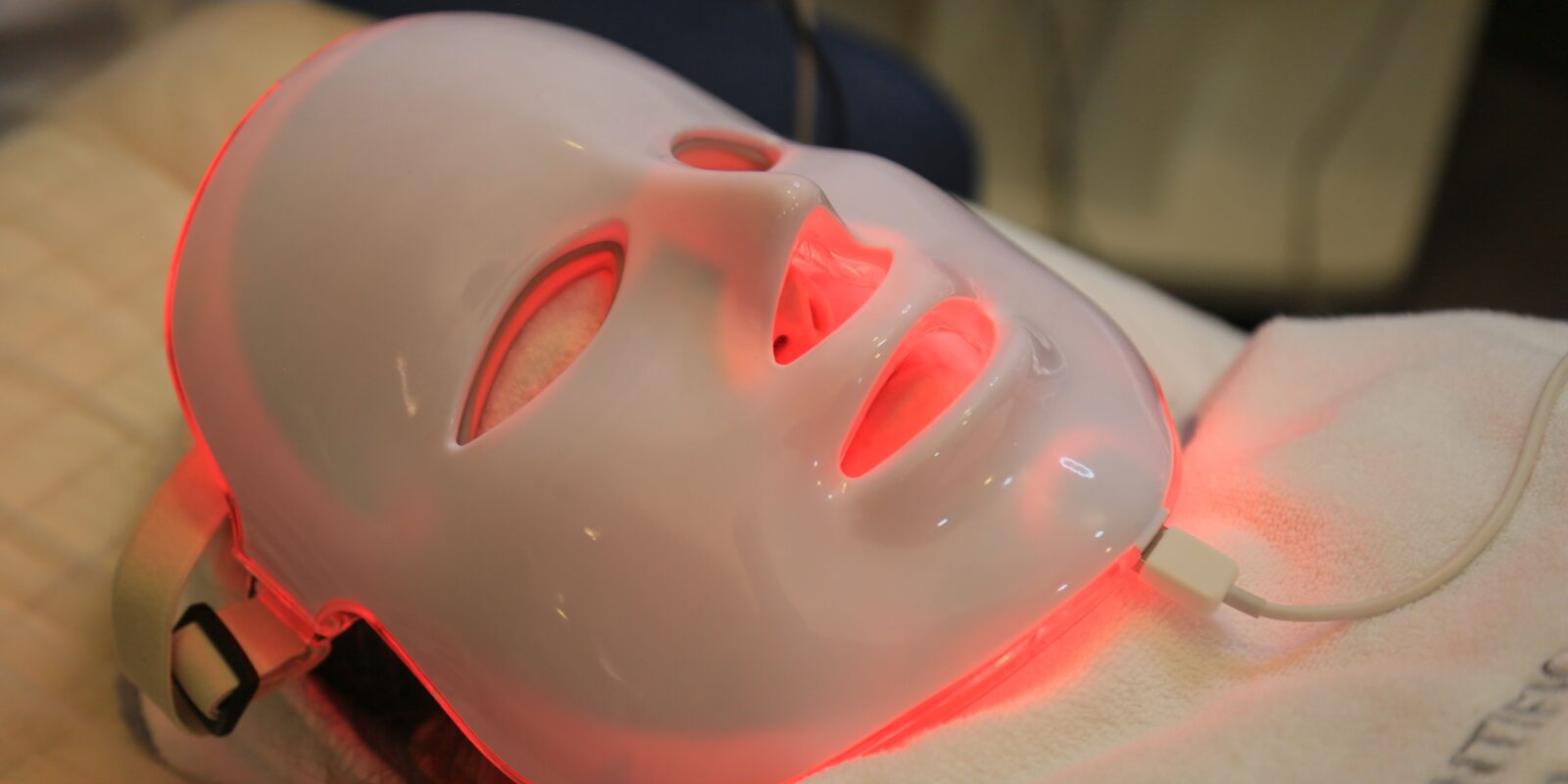
TikTok’s rapid growth has changed the demanding nature of the beauty market. Consumers still want exciting products, but time and money are increasingly being spent on skincare. In 2013, makeup palettes were at the front and centre of the beauty market. Today, you are more likely to see a serum or LED mask in a video.
The changing market no longer has space for the old YouTube cult-classic discovery model. TikTok has made discovery faster, but also thinner. Consumers are more value-conscious, and the “clean girl” and “skinification” aesthetic has challenged full-glam. TikTok creates demand quickly – it is the UK’s 2nd largest beauty sales channel, after Boots– but it also moves quickly.
Consumers search for clinical, dermatologist-led and founder-led brands, while investors look for retention, efficiency, repeat purchase and diversified distribution. Vogue Business reported in January 2026 that investors are focused on clinically backed brands, value, efficacy-led innovation and sustainable growth.
L’Oreal’s recently announced intention to enter the LED device market alongside ELCs portfolio moves reflect the rapidly changing dynamics within the beauty market as devices become part of the mainstream beauty spend, and consumers ask for more products from the brands they trust.
To reinforce the trust dynamic across the emerging beauty tech sector, authorities have started to focus on the claims being made by beauty products and device companies. Unsubstantiated claims and being stamped on, with Beauty Pie’s LED mask advert banned for misleading anti-wrinkle claims.
The EU Medical Device Regulation has made the regulatory position for beauty devices more stringent. Even where a product is marketed for aesthetic rather than medical use, it may still need to comply with the MDR if it functions in a similar way to a medical device and carries a comparable risk profile. For some existing products, transitional rules apply, with deadlines extending to 2027 or 2028 depending on the classification.
As devices become part of mainstream beauty spend and consumers value results, we expect to see increasing transition from creams to devices. With medical device approvals requiring substantiated trial data under controlled parameters, it will become easier to directly compare efficacy and it seems likely that those with the ability to go market with supporting data will start to rapidly gain traction in the new Tiktok influenced world.
The brands that last will be the brands that can turn attention into a sustained habit.